
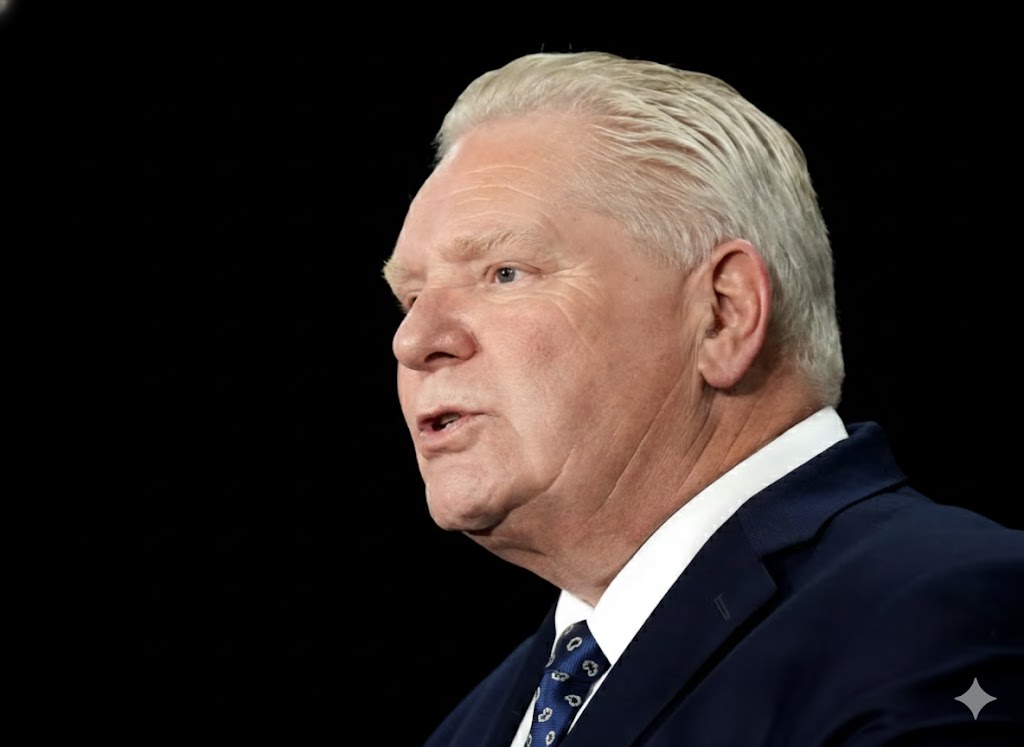

Students in Ontario say they’re prepared to challenge the changes to post-secondary tuition and financial aid announced by Premier Doug Ford’s government last week.
“We’re making a plan, and we’re going to fight back,” Alex Stratas, a fourth-year political science student at the University of Ottawa, as well as an advocacy commissioner for the school’s student union, told CTV Your Morning on Friday.
The provincial government says it is committing $6.4 billion over four years to post-secondary institutions, but it will also lift a seven-year tuition freeze and cut back on the amount of financial aid grants available to students, relying more on loans instead.
The proportion of grants offered through the Ontario Student Assistance Program (OSAP) is set to decrease from around 85 per cent to a maximum of 25 per cent starting this fall.
The combination of less non-repayable financial assistance and higher tuition will be difficult for many students to handle, warned Stratas.
“I heard this news from students directly … they’re genuinely distraught,” she said.
“Lots of them are medical students, or STEM students, they’re scared about how they’re going to continue in their degrees. They don’t see this news — and I don’t see this news — as any means of helping fund their futures.”
Ford said on Tuesday that the changes had to be made to protect a sector that was in dire financial straits and faced the prospect of multiple closures.
“Folks, it was in the red, it was just not sustainable, and the sector was telling me it was not sustainable,” Ford said at Queen’s Park. “If we continued going, we would be closing down colleges and universities.”
Stratas noted that the bulk of the $6.4 billion in increased provincial funding is slated to go towards research opportunities, but she argued that students have more pressing financial concerns that need to be addressed.
“If students can’t even afford to make it to class, how are they going to access these research opportunities? Fundamentally, Ontario has practically the highest GDP of all of the provinces in Canada, and has the lowest funding for post-secondary education,” she said.
“So, if we’re talking about funding schools and making it more affordable and supporting students, it’s directly funding schools and education, that’s what we want to see.”